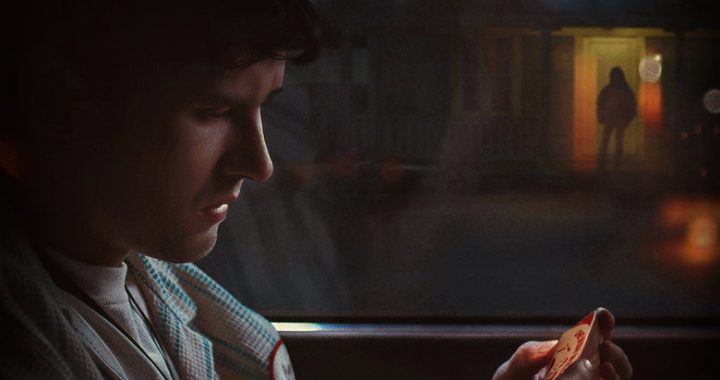
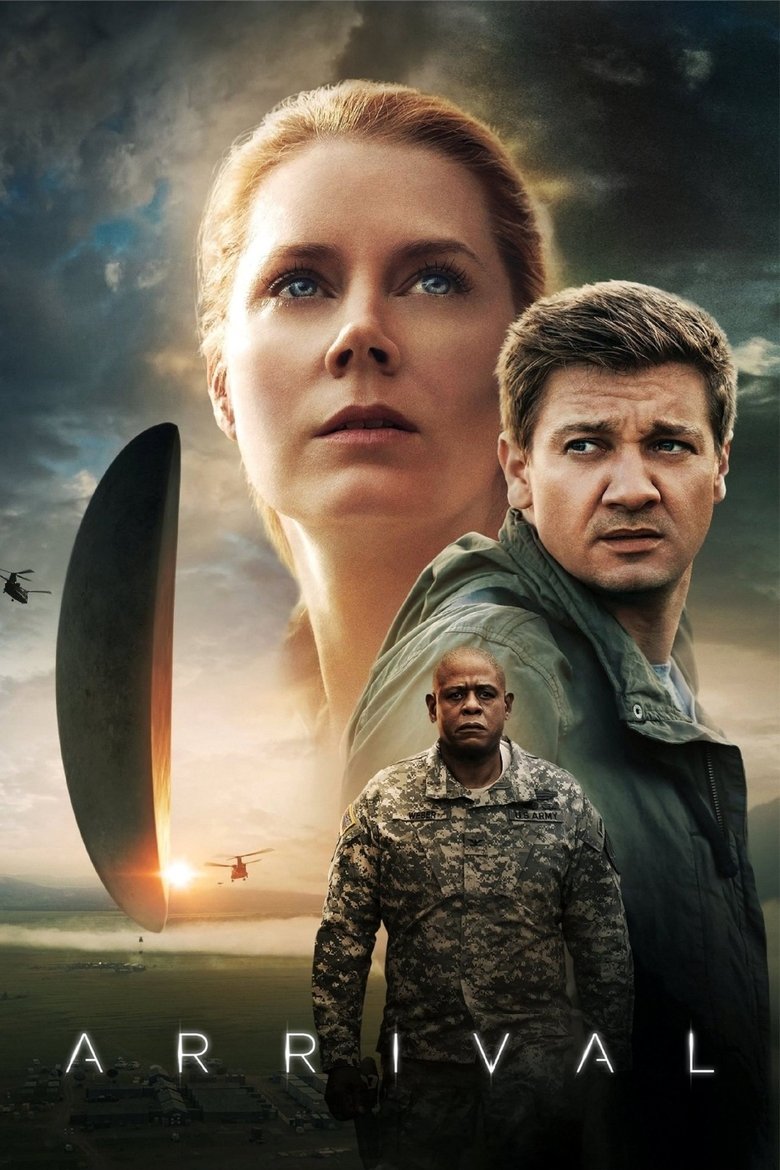
The first time you watch the Arrival movie, the opening montage of a mother losing her daughter plays like a flashback. By the final scene you realize it was never the past. Denis Villeneuve’s 2016 sci-fi drama hides its biggest twist in plain sight, and once you see it, the whole film rearranges itself.
Key Takeaways
– The “flashbacks” of Louise’s daughter Hannah are flash-forwards. Hannah hasn’t been born yet when the aliens land.
– Learning the heptapod language lets Louise perceive time non-linearly, so she remembers her future.
– She stops a global war by calling General Shang and repeating his late wife’s dying words, which he tells her 18 months later.
– Louise knows Hannah will die young and Ian will leave her. She chooses that life anyway.
– The heptapods share their language because in 3,000 years they will need humanity’s help.
Spoiler warning: Everything below discusses the full plot and ending of Arrival (2016). If you haven’t seen it, watch it first. This is a film you only get to experience cold once.
The Short Answer: What the Arrival Ending Means
Louise Banks (Amy Adams) can see her whole life at once by the end of the film. The language of the heptapods has no beginning or end. Absorbing it rewires how her mind experiences time.
The scenes of Hannah growing up, getting sick and dying are memories of things that haven’t happened yet. Ian Donnelly (Jeremy Renner) becomes Hannah’s father. When Louise eventually tells him she knew from the start that their daughter would die, he leaves.
The film’s final beat: Ian asks Louise if she wants to make a baby. She says yes, knowing exactly where that path leads.
What Actually Happens in the Final Act
Here’s the sequence, because the ending moves fast and a lot of it lands in fragments.
- Twelve alien shells hover over sites around the world, including Montana, China, Russia, Pakistan and Sierra Leone.
- The heptapods’ phrase “offer weapon” is read by several nations as a threat. China, led by General Shang (Tzi Ma), prepares to attack, and other countries cut off communication.
- Rogue U.S. soldiers plant explosives inside the Montana shell. The heptapods push Louise and Ian out just before the blast, but one alien, Abbott, is killed. His partner Costello tells Louise that Abbott is “death process.”
- Louise returns to the shell alone. Costello explains that the “weapon” is their language, and that it opens time. They are helping humanity now because they will need help in 3,000 years.
- Louise sees a vision of a future gala celebrating global unity. Shang is there. He tells her she called his private number and repeated his wife’s dying words in Mandarin, which convinced him to stand down.
- Back in the present, Louise steals a satellite phone, calls Shang and says the words. China stops the attack. The other nations reconnect and share their pieces of the message.
- The shells vanish. Ian confesses his feelings, and the film circles back to the opening images of Hannah.
The Flashbacks Were Flash-Forwards the Whole Time
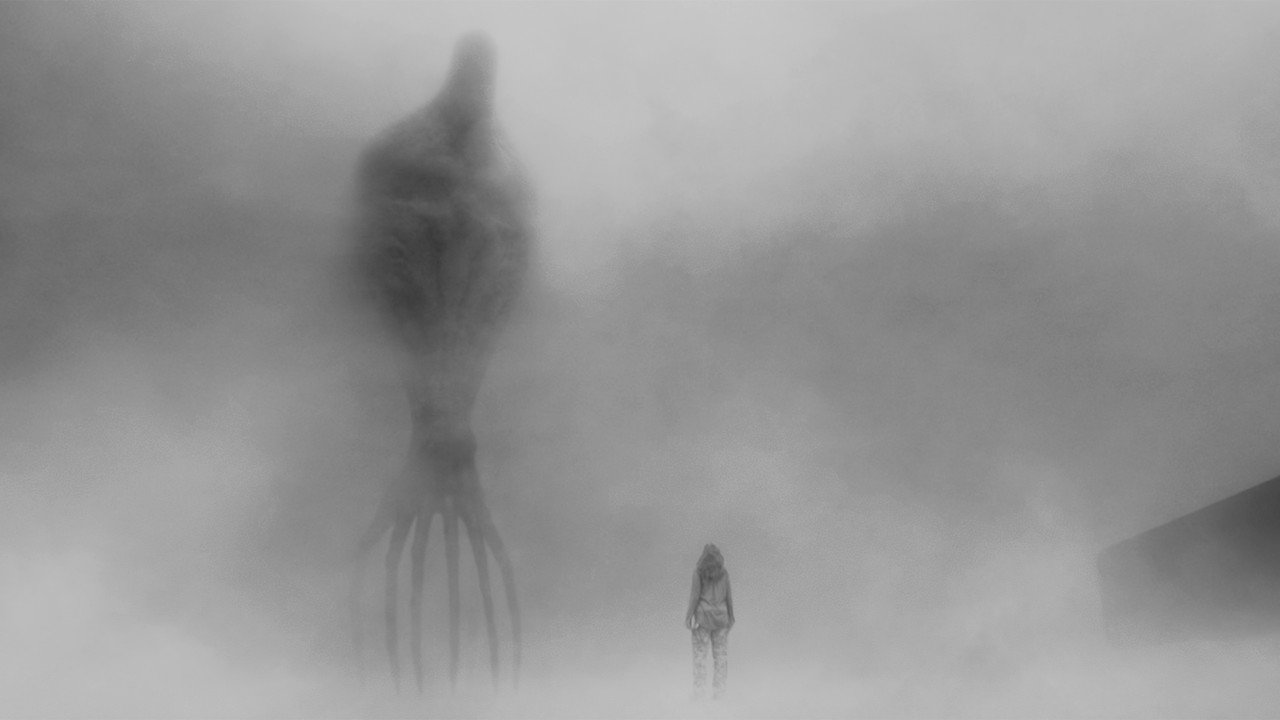
Villeneuve and screenwriter Eric Heisserer plant clues from the first minute. Rewatching is a different film.
Louise’s opening narration says, “I used to think this was the beginning of your story.” She’s questioning what “beginning” even means. Right after the montage she walks into a near-empty lecture hall, alone, with no visible grief. That’s because none of it has happened.
Hannah’s name is a palindrome. It reads the same forward and backward, like a heptapod sentence. Louise points this out in one of the visions, and the film wants you to catch it.
Then there’s the scene where young Hannah asks for the word for a deal where both sides win. Louise can’t remember it. Later, during the crisis, she hears Colonel Weber’s team use the phrase “non-zero-sum game.” The future is borrowing from the present.
How the Heptapod Language Rewires Louise
The film leans on the Sapir-Whorf hypothesis, the idea that the language you speak shapes how you think. Ian brings it up directly. Arrival pushes it to a sci-fi extreme.
Heptapod writing is circular ink logograms. A whole sentence appears at once, with no front or back. To write one, the heptapods must already know how the sentence ends before they begin.
The more fluent Louise becomes, the more her mind works the same way. Her “dreams” grow more vivid and more frequent. By the end she isn’t predicting the future. She’s remembering it, the same way you remember yesterday.
That’s why the twist isn’t a trick ending. It’s the logical result of everything the movie has shown you about language.
The Phone Call to General Shang
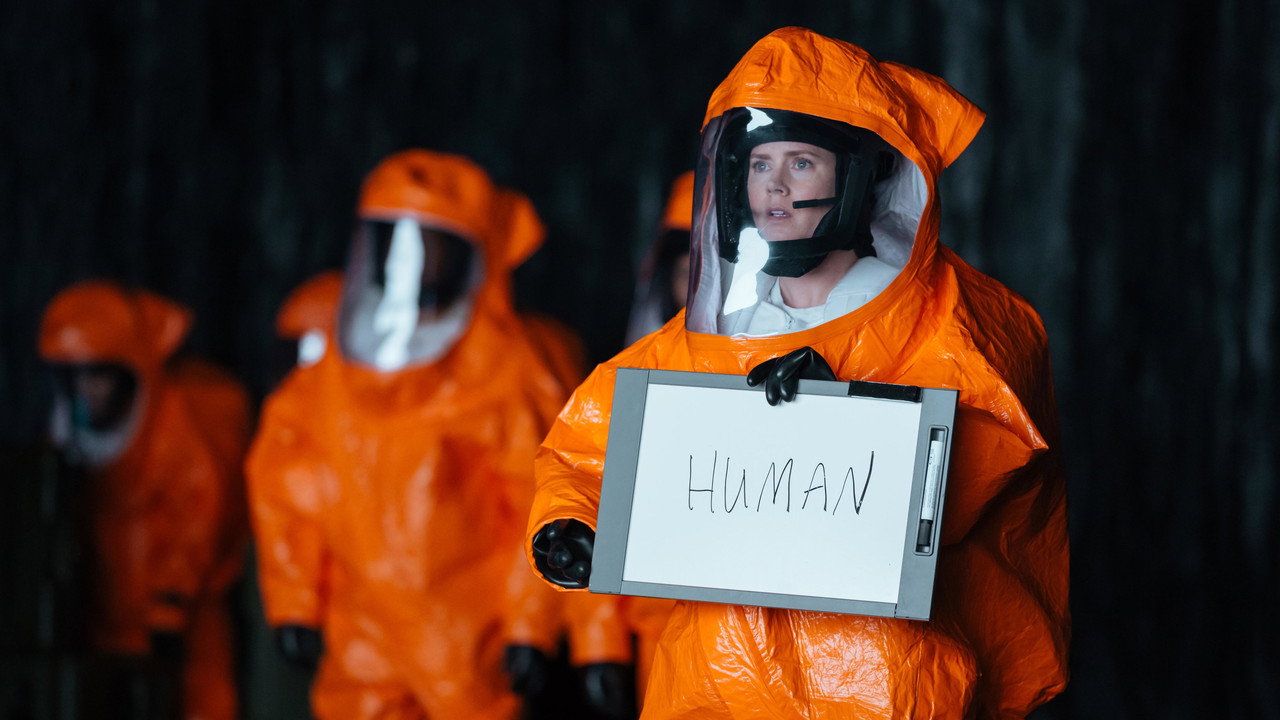
This is the scene most people want explained, because it seems to break cause and effect.
Louise only knows Shang’s private number because he shows it to her at the gala 18 months in the future. He only shows it to her because she already called him. There’s no “first” version where she figured it out. It’s a closed loop, and the film doesn’t apologize for it.
The words she says are his wife’s last words: “In war there are no winners, only widows.” The movie never subtitles them during the call. You only learn them at the gala, which makes the payoff hit harder.
The scene also delivers the film’s politics without speeches. Twelve shells, twelve nations, and each holds only a fraction of the message. No country can decode it alone. The aliens forced cooperation by design.
Why Louise Chooses Hannah Anyway
This is where the arrival ending turns from clever into devastating. Louise knows Hannah will die young of a rare illness. She knows Ian will walk away when she tells him she saw it coming. Hannah even mentions that her dad left because Louise told him something he didn’t want to hear.
Earlier, Louise asks Ian whether he’d change things if he could see his whole life from start to finish. Her own answer comes in the closing narration: she knows the journey and where it leads, and she embraces it and welcomes every moment of it.
You can read that two ways. One is fatalism, the idea that she can’t change anything. The film’s tone points the other way. Louise has the knowledge and still says yes, because the years with Hannah are worth the grief at the end.
Some viewers think she does Ian wrong by not telling him first. That’s a fair argument, and it’s exactly the argument Ian makes when he leaves. The movie lets both views stand.
The 3,000-Year Gift
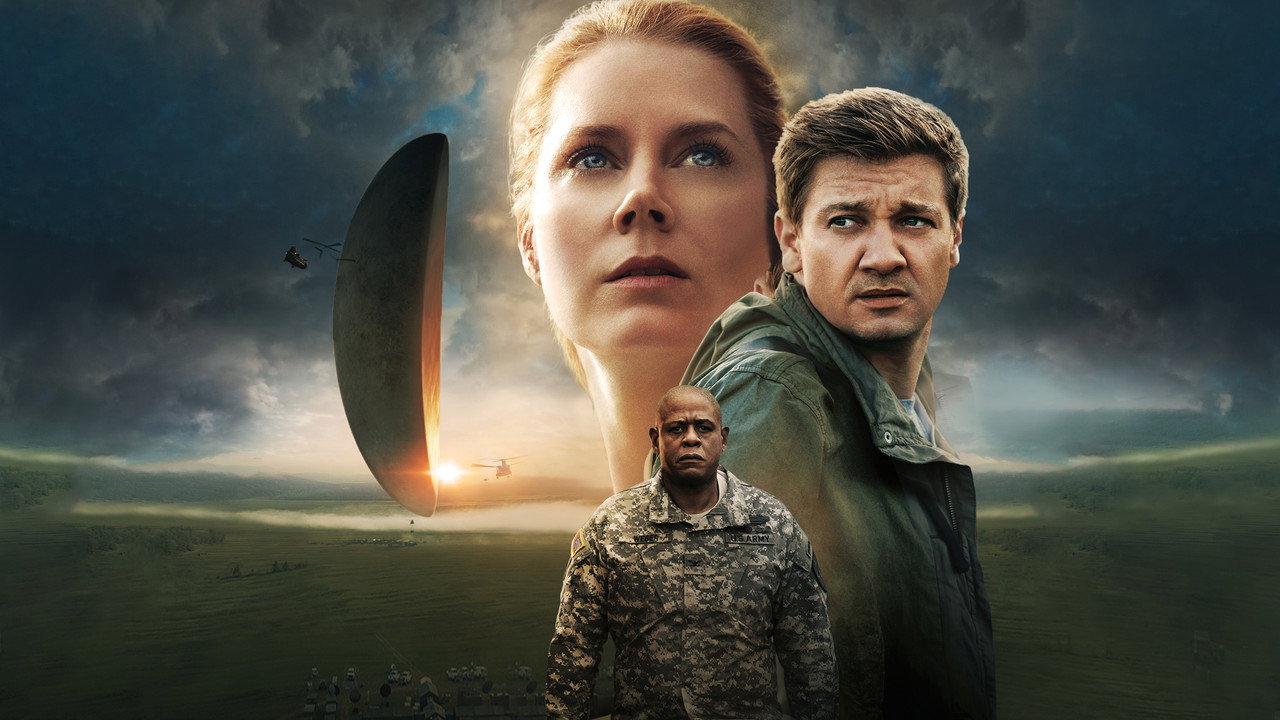
Why do the heptapods show up at all? Costello’s answer is almost an aside. In 3,000 years they will need humanity’s help, so they’re giving us the tool now.
It’s a strange, small detail that opens up the whole film. The heptapods can see their own future, too. They know humanity will be there for them, because they’ve already experienced it. Their visit is as much a closed loop as Louise’s phone call.
How the Ending Differs From Ted Chiang’s Story
Arrival is based on Ted Chiang’s novella “Story of Your Life,” first published in 1998 and collected in Stories of Your Life and Others (2002). If you’ve only seen the film, the source is worth your time. It’s quieter and stranger.
| Element | Ted Chiang’s story | The film |
|---|---|---|
| The daughter’s death | Dies at 25 in a climbing accident | Dies young of a rare illness |
| Louise’s partner | Physicist named Gary Donnelly | Physicist named Ian Donnelly |
| Global crisis | None; no military standoff | China and others nearly go to war |
| Heptapods’ motive | Never explained; they simply leave | Need humanity’s help in 3,000 years |
| Key science | Fermat’s principle of least time | Mostly linguistics and Sapir-Whorf |
The film adds the geopolitical thriller layer and the General Shang loop. Heisserer has said turning an interior story into a movie was the hard part. The emotional core survives intact.
Movie Info and Cast & Crew
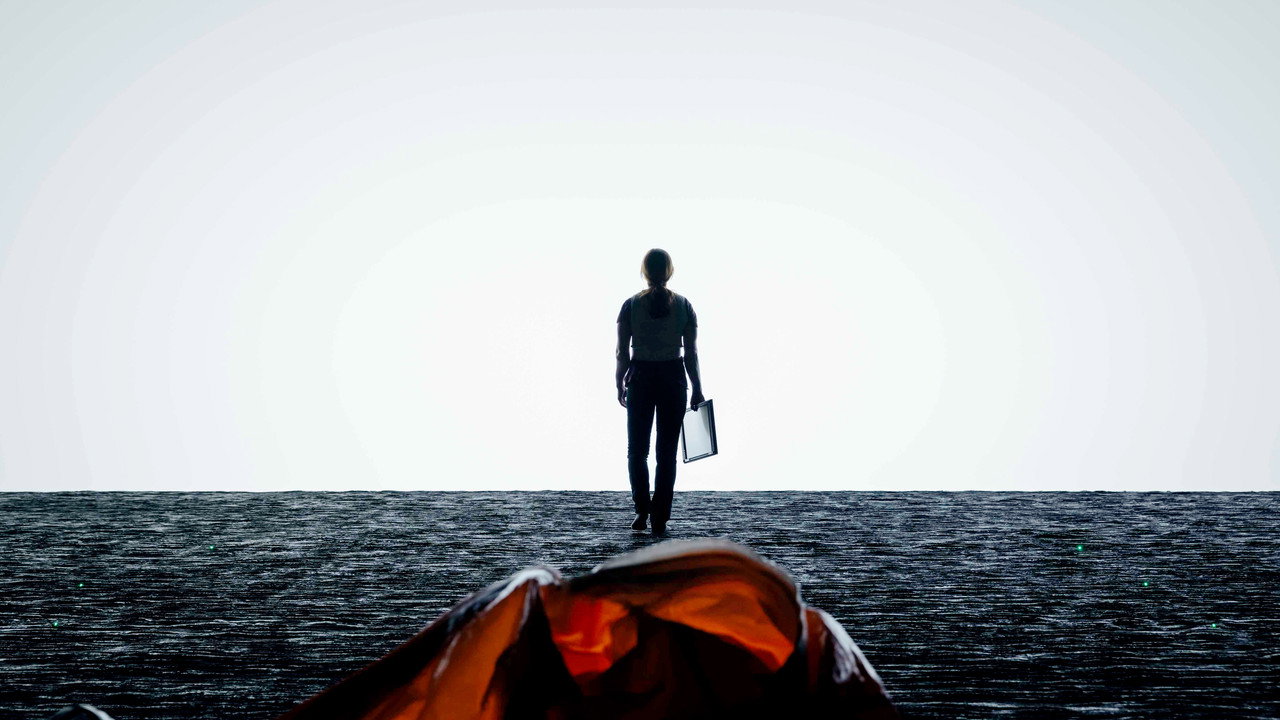
- Director: Denis Villeneuve
- Screenplay: Eric Heisserer, from Ted Chiang’s “Story of Your Life”
- Cast: Amy Adams (Louise Banks), Jeremy Renner (Ian Donnelly), Forest Whitaker (Colonel Weber), Michael Stuhlbarg (Agent Halpern), Tzi Ma (General Shang)
- Cinematography: Bradford Young
- Music: Jóhann Jóhannsson, with Max Richter’s “On the Nature of Daylight” bookending the film
- Premiere: Venice Film Festival, September 2016; U.S. release November 11, 2016
- Runtime: 116 minutes
- Box office: just over $200 million worldwide on a reported budget of around $47 million
Arrival earned eight Academy Award nominations, including Best Picture, Best Director and Best Adapted Screenplay. It won Best Sound Editing. Jóhannsson’s score was ruled ineligible because of the Richter piece, and Adams missed a Best Actress nomination. Both still rank among the decade’s biggest Oscar snubs.
Where to Watch Arrival Right Now
Paramount handled the U.S. release, so the film tends to circle back to Paramount+. Its subscription streaming home rotates often, though. Check a tracker like JustWatch before you settle in.
You can reliably rent or buy it digitally on Prime Video, Apple TV, Fandango at Home and YouTube. A 4K Ultra HD Blu-ray exists too, and Bradford Young’s murky, fog-heavy images benefit from it.
Big-screen showings are the real prize. Keep an eye on New York repertory calendars, where Villeneuve retrospectives tend to pop up around each new Dune release.
My Rating: Why It Rewards a Rewatch
9/10. Arrival is Villeneuve’s best film, and I’d put it above Blade Runner 2049 (2017) and both Dune movies. Those films are bigger. This one is more human.
Adams carries the movie with almost no big moments. Watch her face during the final narration, knowing what you know now. That’s the whole film in one shot.
I’d recommend it to anyone who thinks they don’t like sci-fi. There are no space battles here. It’s a movie about grief, choice and the strange comfort of knowing how your life ends. The second viewing is better than the first, and the third is better than that.
FAQ
Is Hannah dead at the beginning of Arrival?
No. When the aliens land, Hannah hasn’t been born yet. The opening montage shows Louise’s future, which she later “remembers” through the heptapod language.
Who is Hannah’s father in Arrival?
Ian Donnelly, the physicist played by Jeremy Renner. They have Hannah after the events of the film. Ian leaves once Louise tells him she knew Hannah would die.
What did Louise say to General Shang?
She repeats his late wife’s dying words in Mandarin: “In war there are no winners, only widows.” Shang tells Louise those words, along with his private number, at a gala 18 months later.
Why did the aliens come to Earth in Arrival?
They came to give humanity their language. According to Costello, in 3,000 years the heptapods will need humanity’s help.
Can Louise change the future in Arrival?
The film suggests she could make different choices but doesn’t. She sees her life with Ian and Hannah, including the loss, and embraces it. That decision is the emotional point of the arrival ending.
Is Arrival based on a book?
Yes. It adapts Ted Chiang’s 1998 novella “Story of Your Life.” The film adds the global military crisis and gives the heptapods a clear motive, which the story leaves unexplained.