The Grabber died in a basement in 1978 with a phone cord around his neck, and Scott Derrickson’s sequel brings him back anyway by moving him somewhere a locked door can’t hold him: your dreams. Black Phone 2 is a snowbound, supernatural follow-up that trades the first film’s claustrophobia for something closer to A Nightmare on Elm Street. That shift will split audiences.
Key Takeaways
– Verdict: A confident, stylish sequel that is scarier in individual moments and looser as a whole. It is worth seeing, especially if you liked Gwen more than the basement.
– Who’s back: Ethan Hawke (The Grabber), Mason Thames (Finney), Madeleine McGraw (Gwen), Jeremy Davies (Terrence), with Demián Bichir joining the cast.
– Behind the camera: Scott Derrickson directs from a script he co-wrote with C. Robert Cargill, for Blumhouse and Universal.
– Release: Theatrical release on October 17, 2025, after Universal moved it from a June date.
– Where to watch: Rent or buy on digital storefronts. Universal titles land on Peacock after that window, which is also where the 2022 original streams.
The Verdict Up Front
If you only want the bottom line, Black Phone 2 is a better horror movie than it is a sequel, which is a strange thing to say and a fair one. Derrickson clearly did not want to remake the basement, so he built a new engine around Gwen’s psychic dreams and let the Grabber haunt the edges of reality. The result has bigger set pieces, a stronger sense of place, and a villain who is more frightening dead than alive. The cost is a looser plot that leans on dream logic whenever the story needs a shortcut, and you will feel that in the second act.
What the Sequel Is About (No Ending Spoilers)
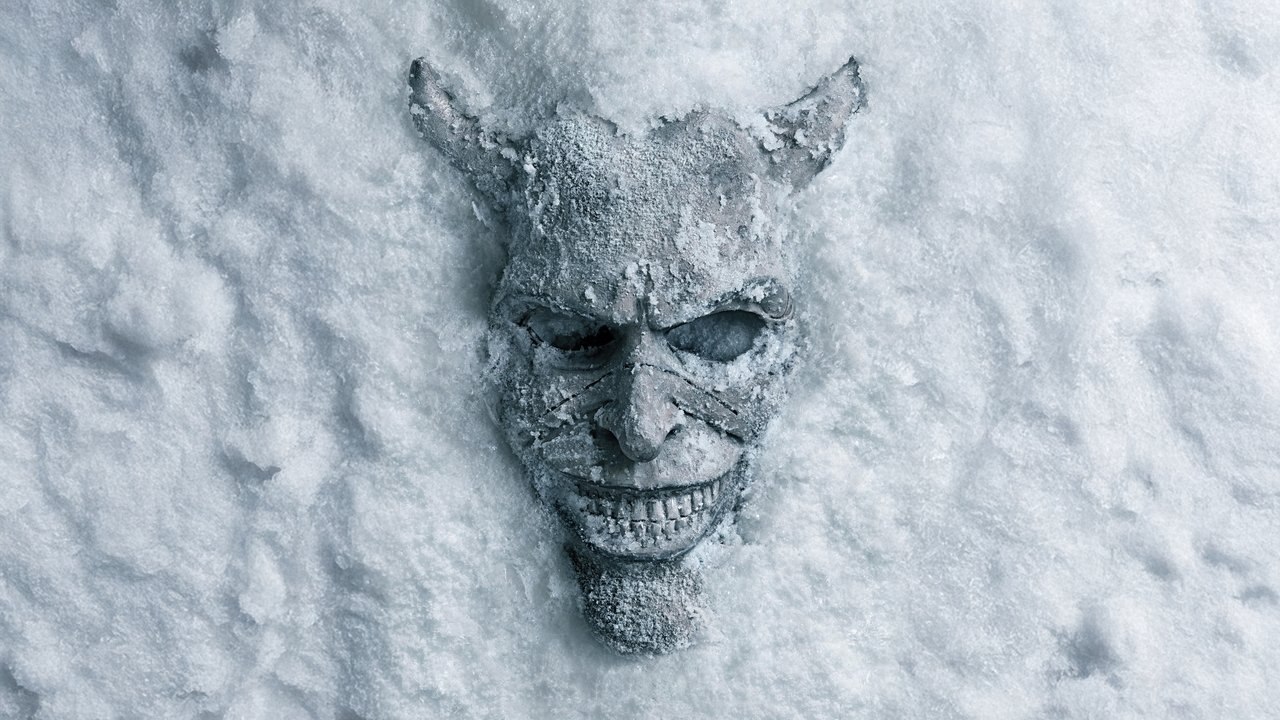
The story jumps to 1982. Finney is 17 and carrying the kind of anger you would expect from a kid who survived a serial killer by talking to the ghosts of his victims. Gwen, now 15, starts dreaming of the black phone ringing and of three boys being stalked at a winter youth camp called Alpine Lake. The visions pull the siblings to the camp, where the dreams connect to their late mother, Hope, and to the Grabber’s history before he ever took Finney.
Joe Hill’s short story, first published in his 2005 collection 20th Century Ghosts, ended where the first film did, so this is an original screenplay. That freedom shows. Derrickson and Cargill expand the mythology instead of repeating the abduction formula, and Gwen becomes the film’s center while Finney becomes its wounded conscience.
Specs at a Glance
| Detail | Black Phone 2 |
|---|---|
| Director | Scott Derrickson |
| Writers | Scott Derrickson, C. Robert Cargill |
| Studios | Blumhouse, Universal Pictures |
| Release date | October 17, 2025 (theatrical) |
| Rating | R |
| Setting | Alpine Lake winter camp, 1982 |
| Main cast | Ethan Hawke, Mason Thames, Madeleine McGraw, Jeremy Davies, Demián Bichir, Miguel Mora |
| Based on | Characters from Joe Hill’s short story “The Black Phone” |
| Streaming home | Peacock (Universal’s pay window) |
What Works

Madeleine McGraw carries the movie. She was the scene-stealer in 2022, swearing at Jesus in her prayers, and here she gets the lead role she earned. Her Gwen is funny, furious, and believable as a teenager whose gift feels more like a punishment than a superpower.
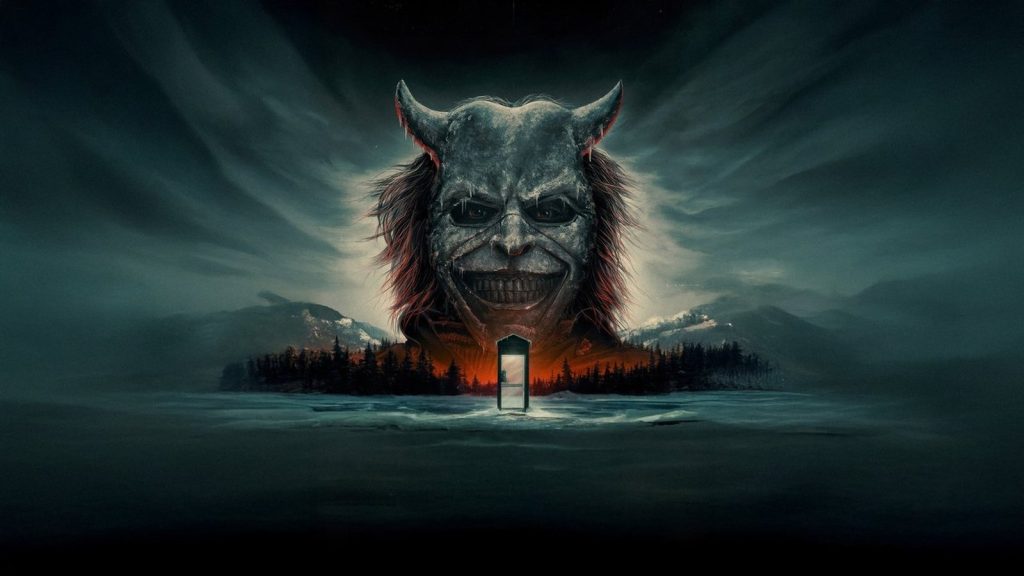
The Grabber is scarier as a phantom. Hawke barely appears in full light, and he doesn’t need to. The mask, the voice, and the sudden intrusions into Gwen’s dreams turn him into a figure who can show up anywhere, which is precisely the threat the original couldn’t offer.
The camp is a great horror location. Snow, isolation, frozen water, and a 1982 setting give the film a texture that feels closer to a lost slasher from that decade. The dream sequences use a grainy, home-movie look that separates them from waking scenes without a single line of explanation.
Thames sells the trauma. Finney’s arc about survival and rage is the film’s quiet emotional strength, and the brother-sister dynamic remains the franchise’s best asset.
What Doesn’t
Dream logic gets abused. Once the rules allow the Grabber to physically affect people through dreams, tension sometimes drains away, because almost anything can happen and the stakes become harder to measure.
It runs long. A middle stretch at the camp spends too much time on mythology and lore that you will forget by the drive home.
The intimacy is gone. The original worked because it was one boy, one room, and one phone. The sequel’s wider canvas is more ambitious, and less nerve-shredding minute to minute.
Pros and Cons
- Pros: McGraw’s lead performance, a genuinely menacing ghost-version of the Grabber, a strong winter setting, memorable dream imagery, real emotional stakes between the siblings
- Cons: Loose supernatural rules, a sluggish second act, less claustrophobic dread than the 2022 film
How It Compares to the Original
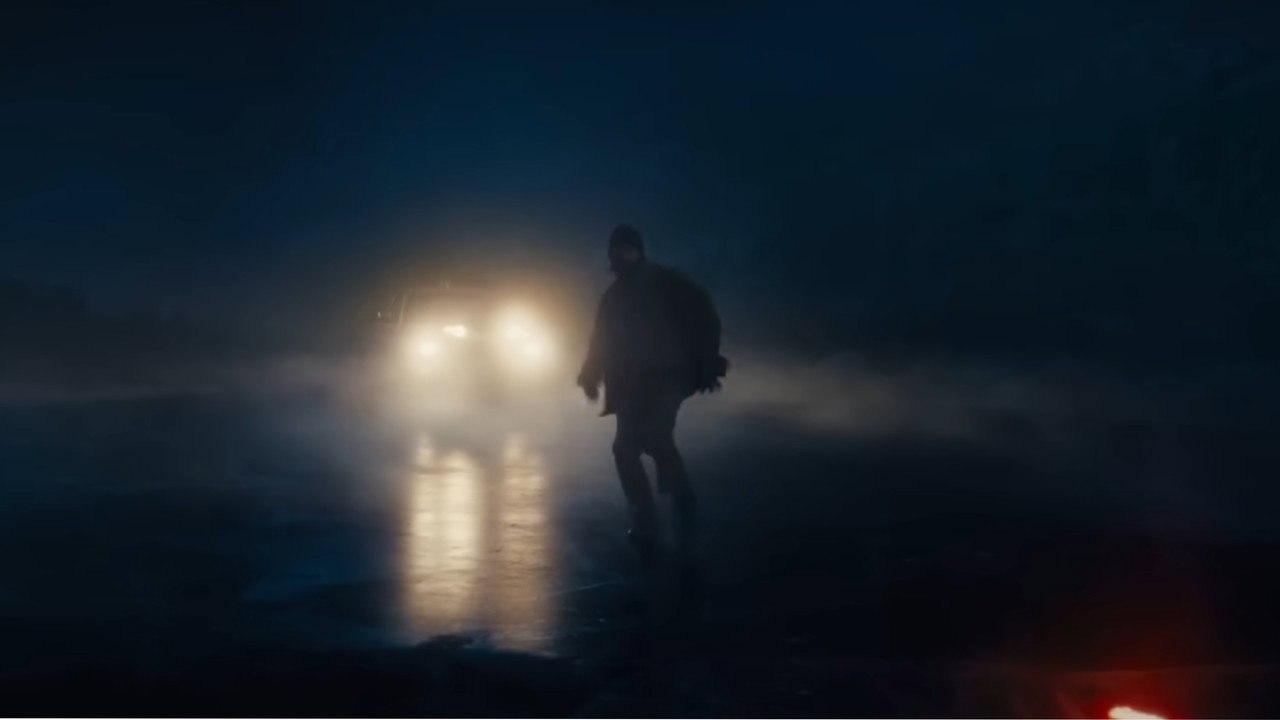
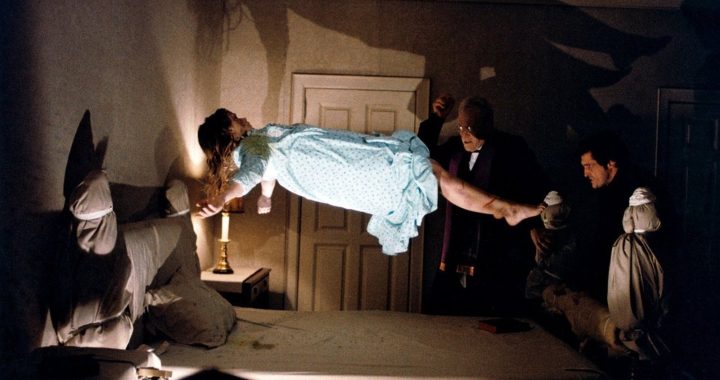
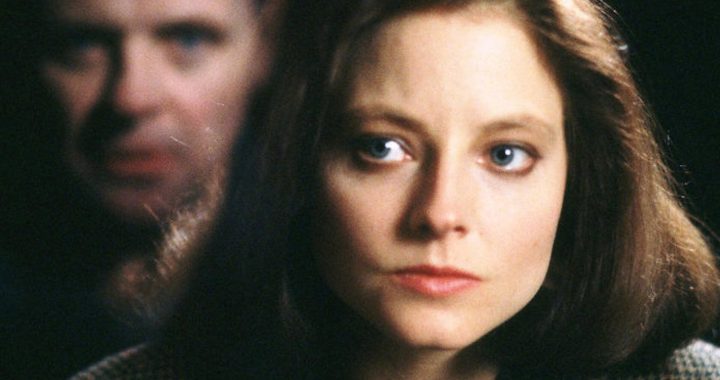
The 2022 Black Phone was a lean, grounded abduction thriller with a ghost-story hook, and it became a sleeper hit for Blumhouse, opening to $23.6 million domestically on a modest budget. The sequel opened at number one and topped that debut, which tells you audiences were curious about where the story could go. Creatively, think of the first film as Room with a rotary phone and the second as a cousin to Wes Craven’s 1984 Nightmare on Elm Street, where the killer’s power lives inside the victims’ heads. If you came to the original for Hawke in the basement, you may feel shortchanged. If Gwen’s dreams were your favorite part, this is the movie you wanted.
Who It’s For
This sequel is for you if you like supernatural slashers with a period setting and a heart, and if you’re comfortable with a franchise reinventing itself instead of repeating itself. It also suits viewers working through the recent run of studio horror, the same audience lining up for Scream 7, and anyone who enjoyed the mythology-heavy turn of The Conjuring films. It is a tougher sell if you prefer grounded, true-crime-flavored horror, since the film leaves realism behind early and doesn’t look back. Parents should take the R rating seriously: the violence against teenagers is graphic and the dream imagery is disturbing.
Where to Watch Black Phone 2 Now

As of this writing, Black Phone 2 is available to rent or buy on premium digital storefronts, including Fandango at Home (formerly Vudu), Prime Video, and Apple TV. Universal’s films move to Peacock after their digital window, so that is where the sequel will stream, alongside the original Black Phone, which is already there. If you would rather see it on a big screen, keep an eye on genre programming at places like Alamo Drafthouse in Downtown Brooklyn, where a double bill of both films on a cold October night is exactly how this pair plays best.
FAQ
Is Black Phone 2 based on a Joe Hill story?
No. Joe Hill’s short story “The Black Phone” ends with Finney’s escape, so the sequel is an original screenplay by Scott Derrickson and C. Robert Cargill that builds on Hill’s characters.
Does Ethan Hawke return as The Grabber?
Yes. Hawke reprises the role, though the character now appears as a supernatural presence in Gwen’s dreams, since he died at the end of the first film.
When does Black Phone 2 take place?
The story is set in 1982, four years after the events of the original, and most of it unfolds at a winter youth camp called Alpine Lake.
Do you need to see the first movie before Black Phone 2?
You should. The sequel assumes you know how Finney escaped, what the phone means, and why the Grabber matters to both siblings, and it doesn’t spend much time recapping.
Is Black Phone 2 scarier than the original?
It has bigger, more surreal scares, and Hawke’s ghostly Grabber is creepier in individual scenes. The original is tenser overall because of its single-location setup, so your answer depends on which kind of fear works on you.
Where can you stream Black Phone 2?
Right now you can rent or buy it digitally on services like Fandango at Home, Prime Video, and Apple TV. Peacock is its streaming home once Universal’s digital window closes, and the first film already streams there.