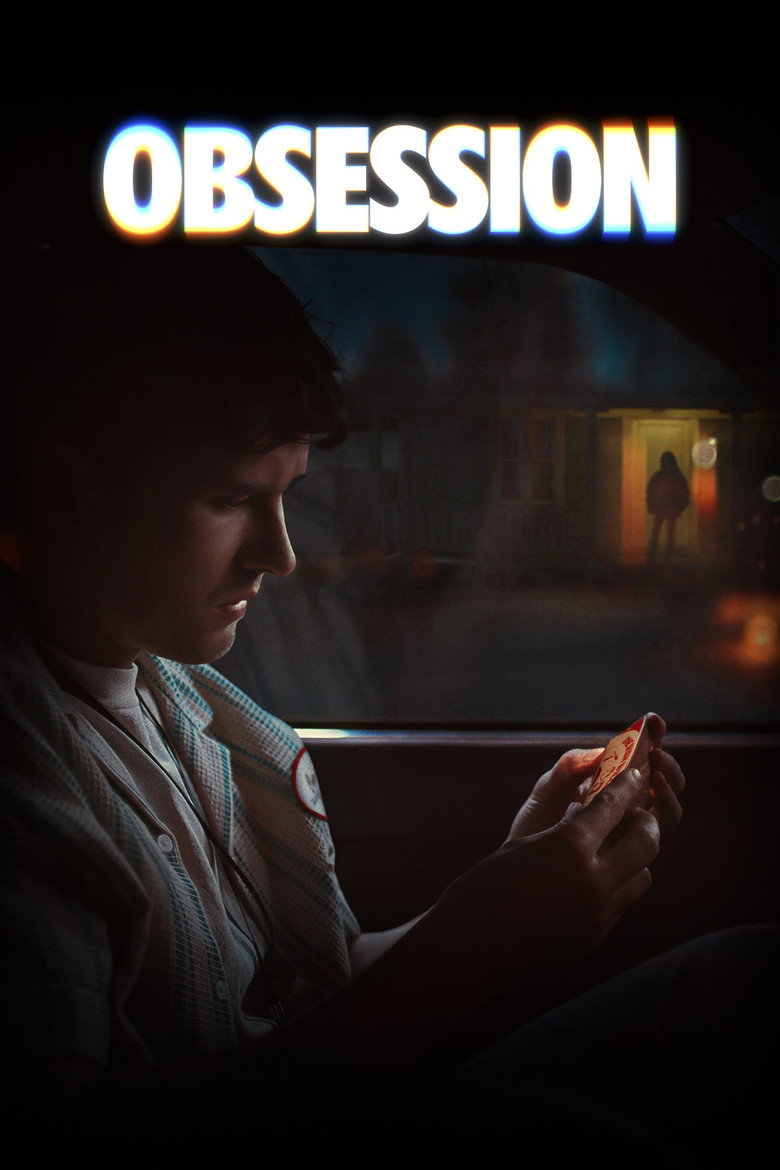
Curry Barker made a horror movie about getting exactly what you asked for, and Focus Features bought it off a festival screening because the audience would not stop screaming. Obsession is a lean, nasty, often very funny film about a shy guy named Bear who wishes his best friend loved him back, then has to live inside the answer. It is streaming on Peacock now, and the ending is the part people argue about on the walk home.
Key Takeaways
- What it is: A horror film written and directed by Curry Barker, the filmmaker behind the viral 2024 found-footage feature Milk & Serial.
- Who’s in it: Michael Johnston (Teen Wolf) as Bear and Inde Navarrette (Superman & Lois) as Nikki, the coworker he’s hopelessly in love with.
- The premise: Bear makes one wish on a mysterious trinket. Nikki’s love arrives, and it has no off switch.
- Release: Premiered at Fantastic Fest in Austin in September 2025, picked up by Focus Features in a deal reported to be in the eight figures, then released in theaters around Valentine’s Day 2026.
- Where to watch now: Streaming exclusively on Peacock (Premium or Premium Plus tier).
- Verdict: One of the best horror debuts in years. The last act is divisive on purpose.
The Short Version
You should watch Obsession if you like horror that starts as a romantic comedy and then slowly removes the comedy. Barker’s film takes the oldest wish-gone-wrong setup in the book, the kind W.W. Jacobs nailed in The Monkey’s Paw back in 1902, and plays it with a straight face until the straight face becomes the scariest thing in the room.
It is not a slasher. It is not a possession movie, even though it borrows some of that genre’s physical language. The closest honest label is psychological thriller with horror teeth, and if you keep a running list of the best films in that lane, this one earns a spot near the top of the 2020s.
What Obsession Is About (No Spoilers)

Bear is the kind of guy who rehearses a conversation in the mirror and then says none of it. He works alongside Nikki, who is kind to him, funny with him, and clearly not thinking about him the way he thinks about her. Johnston plays this with zero vanity. You can see every half-swallowed sentence.
Nikki, meanwhile, has a life. That is the film’s quiet cruelty in its first act: she is a whole person with plans that have nothing to do with Bear, and the movie makes you watch him fail to notice.
Then Bear comes into possession of a strange little object, the sort of thrift-store relic that a smarter character would leave on the shelf. The rules are simple. One wish. He uses it the way a lonely person would. He wishes Nikki loved him.
She does. Immediately, completely, and with a focus that starts out flattering and curdles within a day. The film’s title is not a metaphor. Nikki’s love is obsession in the clinical sense, a need that overrides sleep, boundaries, other people, and eventually physical safety. Bear got the thing he wanted, and now he has to figure out what to do with a person who would walk through a wall to be near him.
That is the whole engine, and Barker never lets it idle.
Who Made It and Why That Matters
If you’ve spent any time in horror circles on YouTube, you know Curry Barker’s name. His 2024 feature Milk & Serial, made with collaborator Cooper Tomlinson for close to nothing and released free online, became one of those word-of-mouth phenomena that horror fans pass around like contraband. It proved he could sustain dread over feature length and land a gut-punch turn without a studio budget.
Obsession is the step up. It is a real production with a real cinematographer, proper locations, and actors who’ve carried network television. What carried over from the YouTube work is more important than what changed: Barker’s patience. He will hold on a conversation thirty seconds past the point where most directors cut, and the extra time is where the discomfort lives.
The Fantastic Fest premiere is where the industry caught on. Reports from the Austin screening described a crowd reacting out loud, and Focus Features moved fast afterward. For a studio that usually traffics in prestige dramas, buying a horror debut from a YouTuber was a statement. Dropping it in theaters for Valentine’s weekend was a joke with a very sharp edge.
Review: What Works
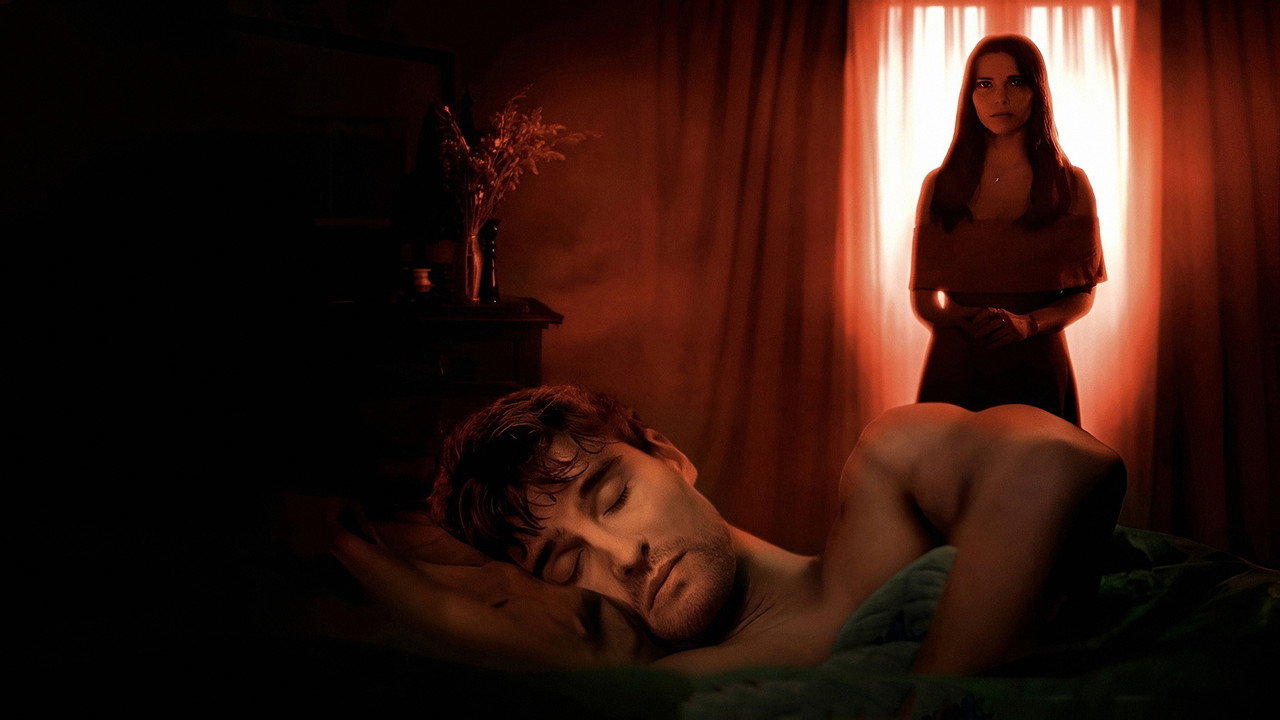
Michael Johnston carries the movie by refusing to make Bear likable
The easy version of this role is the sad-sack audience surrogate you root for. Johnston doesn’t play that. His Bear is sympathetic in the first ten minutes and then increasingly hard to defend, and the performance tracks that shift in tiny increments. There is a particular look he gives Nikki early on, after the wish lands, that is pure relief, and it is one of the most quietly damning shots in the film. He wanted this. You saw him want it.
Johnston spent years as Corey on MTV’s Teen Wolf, mostly in supporting mode. This is the first time a film has handed him the whole weight, and he holds it.
Inde Navarrette has the harder job and makes it look easy
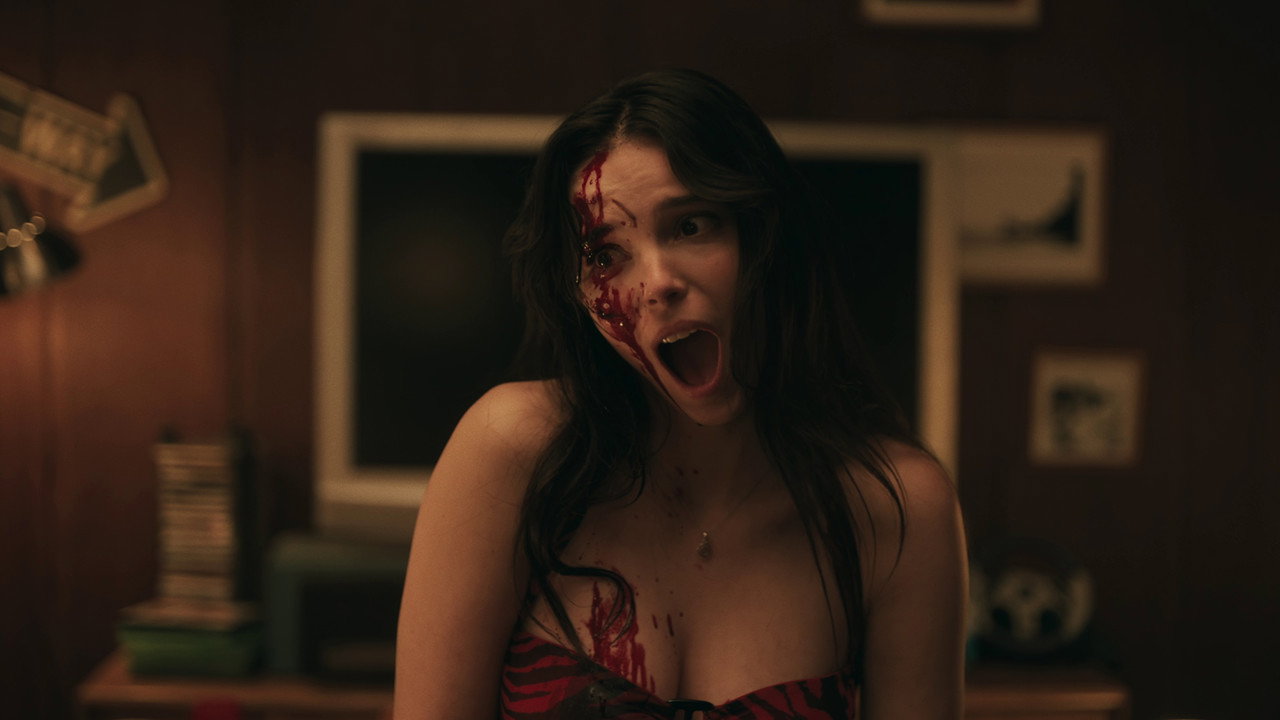
Navarrette is the one most people will talk about. Playing Nikki after the wish requires her to be two things at once: a woman who genuinely, radiantly adores someone, and a mechanism that has been overwritten. She plays the love as real. That is the choice that makes the film work, because if Nikki were obviously “possessed,” you’d stop caring about her. Instead she is present behind her own eyes, which means every escalation is also a violation, and Navarrette lets you feel both.
Anyone who watched her as Sarah Cortez on Superman & Lois or in the later seasons of 13 Reasons Why knows she can do warmth. The surprise here is how frightening she is when the warmth doesn’t stop.
The comedy is the trap
Obsession is funny for longer than you expect. Barker knows that a person who texts you forty times in an hour is a bit before it’s a threat, and he lets you laugh at Bear’s panic while the stakes quietly climb. By the time the humor drains out, you’ve been complicit in treating Nikki’s unraveling as a punchline, and the film knows it.
It understands that the scariest version of this story is intimate
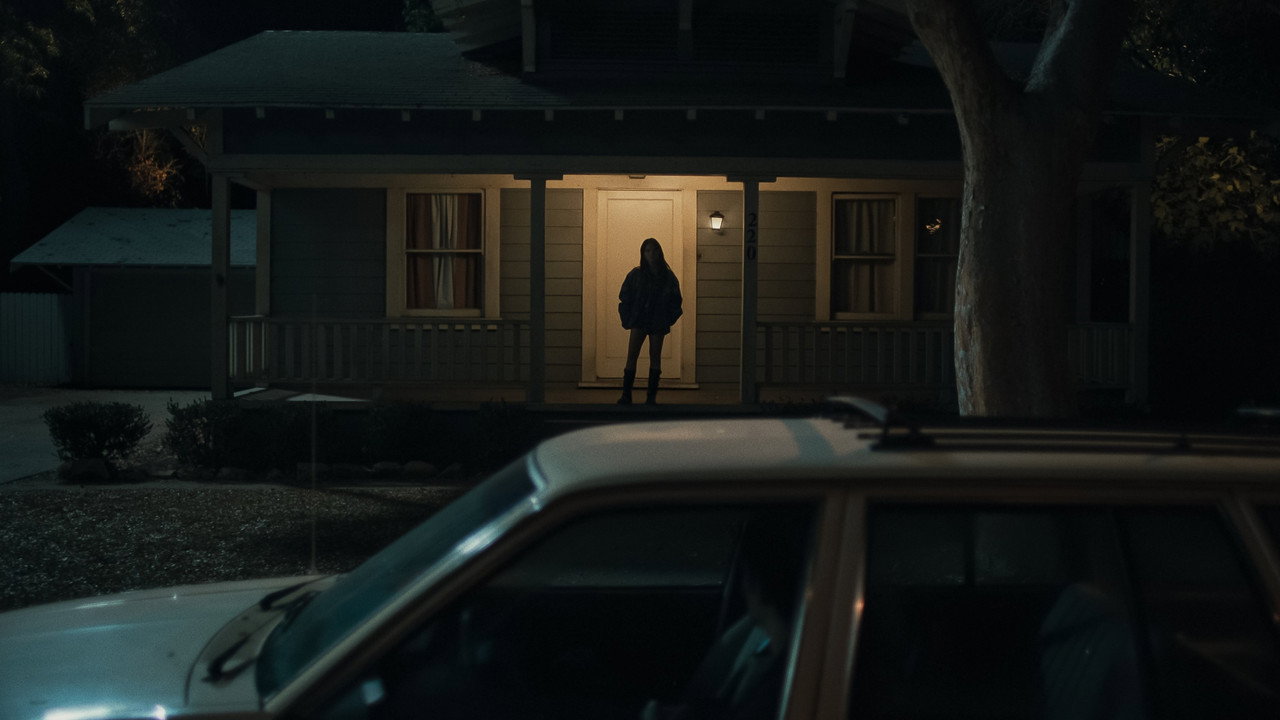
There is no sprawling mythology around the wish. No lore dump, no ancient cult, no sequel bait about where the object came from. Barker keeps the frame small: one apartment, one workplace, a handful of people who get too close. The film’s most unnerving sequences are not set pieces. They are Nikki standing somewhere she shouldn’t be, smiling.
Review: What Doesn’t
The middle stretch repeats itself
Once the pattern is established (Nikki escalates, Bear flails, someone pays for it), the film runs a couple of laps that feel like variations rather than progressions. It is a shade under two hours, and there’s a tighter cut in there somewhere around the ninety-minute mark. You won’t be bored, but you may check the time once.
Supporting characters exist to be in the way
Bear’s friends and Nikki’s circle are sketched quickly and used mostly as obstacles. That is a defensible choice for a film this focused, but it means some of the collateral damage lands as plot machinery rather than loss. The film is so good at making Bear and Nikki specific that the thinness around them stands out.
The ending will lose some people
More on this below, with spoilers. The short, spoiler-free version: Barker chooses honesty over catharsis, and if you walked in wanting a clean reset, you are going to leave angry. I think it’s the right call. I also understand the complaints.
Where to Watch Obsession Right Now
Obsession is streaming exclusively on Peacock in the US. It’s included with both the Premium tier (with ads) and the Premium Plus tier (ad-free, with downloads). As a Focus Features title, that NBCUniversal pipeline is where it will live for the foreseeable future, so don’t expect it on Netflix or Max anytime soon.
The theatrical run is done. If you caught it on a date-night screening in February and watched a couple next to you slowly stop holding hands, you already know what the Valentine’s release was doing.
For digital purchase or rental, check Amazon, Apple TV, and the usual storefronts; availability there tends to lag the streaming exclusive, so Peacock is the reliable answer today.
Obsession Cast & Crew
| Role | Name | You might know them from |
|---|---|---|
| Writer / Director | Curry Barker | Milk & Serial (2024), YouTube horror shorts |
| Bear | Michael Johnston | Teen Wolf (MTV) |
| Nikki | Inde Navarrette | Superman & Lois, 13 Reasons Why |
| Distributor | Focus Features |
Barker also edited extensively on his earlier work, and that sensibility shows in Obsession’s cutting: long holds, abrupt exits, and a refusal to score every scare.
Spoilers Ahead: The Obsession Ending Explained
Stop here if you haven’t seen it. Everything below discusses the final act and what it means.
Still here? Good.
The wish was never the problem
The central misdirect of Obsession is that it looks like a movie about a cursed object, and it is actually a movie about a choice. The trinket does precisely what it promises. It grants one wish, literally, with no interpretation and no mercy. Nikki loves Bear. That’s it. Everything that follows is simply what total love looks like when it’s installed in a person rather than grown.
So when Bear spends the back half scrambling for a way to undo it, the film keeps quietly asking the question he won’t: undo it to what? Nikki before the wish didn’t want him. The only way “out” that preserves what he wanted doesn’t exist, and the film refuses to invent one.
Nikki is the victim, and the movie knows it even when Bear doesn’t
The violence Nikki commits in the final stretch is horrifying, but Barker frames it so that the horror points back at Bear. She never chose any of this. Every terrible thing she does is in service of a feeling someone else put in her. Watch how often the camera stays on Bear’s face during her worst moments rather than on the act itself. The film is grading him, not her.
That reframing is the actual “obsession ending,” the thing the title is pointing at. The obsessive in this story isn’t the woman who can’t stop loving. It’s the man who wanted to be loved so badly he was willing to erase someone to get it. Nikki’s compulsion is supernatural. Bear’s was ordinary, and he acted on it.
There is no clean reset, and that is the point
Without walking through the final minutes beat by beat (they’re worth experiencing cold, and the specifics are less important than the shape), the ending denies Bear the exit every wish-horror movie usually provides. No reversal, no “it was all a dream,” no sequel-friendly ambiguity where maybe she’s fine now. Bear ends the film living with the consequences of his wish, and the consequences are permanent.
Some viewers read the final stretch as bleak to the point of nihilism. I’d push back on that. It’s bleak in the way Fatal Attraction (1987) or Misery (1990) are bleak: the horror resolves, the wound doesn’t. The difference is that those films let you side cleanly with the person being pursued. Obsession spends its whole runtime removing that option.
Why Barker ends it the way he does
Look at Milk & Serial again if you want the blueprint. Barker likes endings that recontextualize the entire film in a single move, where you realize you’ve been watching a different story than the one you thought. Obsession does a slower version of the same trick. By the end, “Bear finally understands what he did” is the emotional climax, and the physical climax is almost secondary.
He is also clearly aware of the romantic-comedy template he’s corrupting. The whole first act plays like the setup for a sweet, awkward love story about the nice guy who finally gets noticed. The ending is Barker telling you that story has always had a body count, and we just never filmed the part where she stops being a person.
How Obsession Fits the Wish-Horror Tradition
The one-wish setup has a long résumé. The Monkey’s Paw gave it a shape. Wishmaster (1997) turned it into a gory carnival. Bedazzled (both the 1967 original and the 2000 Brendan Fraser remake) played it for laughs. Takashi Miike’s Audition (1999) isn’t a wish movie on paper, but it is the clearest ancestor to what Obsession is doing: a lonely man engineers a romance, and the woman he picks turns out to contain something he never bothered to look for.
Where Obsession separates itself is in refusing the genie. There’s no trickster figure explaining the loophole. Nothing is twisted. Bear asked for love and received love, and the film’s argument is that the request itself was the twist.
Compare it to Fatal Attraction, which audiences in 1987 cheered as a woman gets punished for wanting too much. Obsession is almost a direct response. Here the woman wanted nothing; the man installed the wanting. That inversion is why the film lands differently depending on who’s watching, and why the arguments afterward tend to split along lines of who you think the movie is about.
Is It Actually Scary?
Yes, but not in the way a trailer can sell. The scares in Obsession are mostly about proximity and anticipation. Nikki is never where she should be. Doors that were closed are open. The film’s single most effective recurring image is just her standing still, waiting, patient in a way no human is patient.
There are jolts, and a couple of moments of physical violence that hit hard precisely because the film has been restrained. But if you need a monster every eight minutes, this isn’t built for you. If you want the dread of a relationship you can’t leave, dialed up until it becomes supernatural, it is exactly built for you.
Who Should Watch Obsession
Watch it if you liked Barker’s earlier work, if Audition or Possession (1981) are in your rotation, or if you want horror that treats its premise as a moral question rather than a delivery system for kills. Couples who enjoy uncomfortable post-movie conversations will get a lot out of it.
Skip it if you need a protagonist you can root for all the way through, or if slow-burn structure reads as “nothing happening” to you. And if you’re squeamish about emotional cruelty specifically (as opposed to gore), be warned: the film’s meanest moments involve no blood at all.
What Happens Next for Barker and the Cast
Focus Features spent real money on a first-time theatrical director, and the Peacock exclusivity suggests NBCUniversal sees Obsession as a title worth keeping in the family rather than licensing out. Expect Barker’s next project to be a bidding-war situation; the combination of a self-made audience from YouTube and a proven festival breakout is rare.
Johnston and Navarrette both come out of this with calling-card performances. Navarrette in particular has the kind of role here that gets replayed in casting offices, the way Mia Goth’s Pearl did after 2022. Where either of them lands next is worth watching.
As for a sequel: the ending doesn’t want one, and the film is better for it. Barker has built a story that closes. Studios have ignored that kind of thing before.
FAQ
Is Obsession based on a true story?
No. It’s an original screenplay by Curry Barker. The premise draws on the long tradition of wish-gone-wrong horror, going back to The Monkey’s Paw, but the characters and story are invented.
Where can I stream Obsession?
In the US, Obsession is streaming exclusively on Peacock. It’s available on both the ad-supported Premium plan and the ad-free Premium Plus plan. Digital rental and purchase options typically follow later.
How long is Obsession?
It runs a shade under two hours. The first act moves fast; the middle takes its time, by design.
Is Obsession a horror movie or a thriller?
Both, honestly. It starts as an awkward romantic comedy, becomes a psychological thriller once the wish lands, and crosses into outright horror in its final act. If you’re sorting by genre on a streaming menu, it’ll be filed under horror.
Who plays Bear and Nikki in Obsession?
Michael Johnston, who played Corey on MTV’s Teen Wolf, is Bear. Inde Navarrette, best known as Sarah Cortez on Superman & Lois, is Nikki.
Does Obsession have a post-credits scene?
No. When the credits roll, the story is over, and the film is deliberate about that. Stick around for the credits if you want to see who made it, but there’s no extra scene waiting.